
Choosing the Right Small Business Payment Terminals
- Kelvin Low

- Apr 6
- 4 min read
Running a small business means juggling a lot of tasks, and one of the most important is handling payments smoothly. You want your customers to have a seamless checkout experience, right? That’s where choosing the right small business payment terminals comes in. But with so many options out there, how do you pick the perfect one? Don’t worry! I’m here to walk you through everything you need to know to make an informed choice.
Why Small Business Payment Terminals Matter
Let’s start with the basics. Payment terminals are the devices that allow you to accept card payments from your customers. They can be physical machines, mobile devices, or even software-based solutions. For small businesses, the right terminal can mean faster transactions, happier customers, and better cash flow.
Think about it: if your payment process is slow or complicated, customers might get frustrated and leave. On the other hand, a smooth payment experience can boost your reputation and encourage repeat business. Plus, with the rise of contactless payments and mobile wallets, having a versatile terminal is more important than ever.
Here’s what you should consider when looking at small business payment terminals:
Ease of use: You want something simple for both you and your customers.
Compatibility: Does it work with your existing systems?
Payment options: Can it accept chip cards, contactless, mobile wallets?
Cost: What are the upfront and ongoing fees?
Security: Is it PCI compliant and secure against fraud?
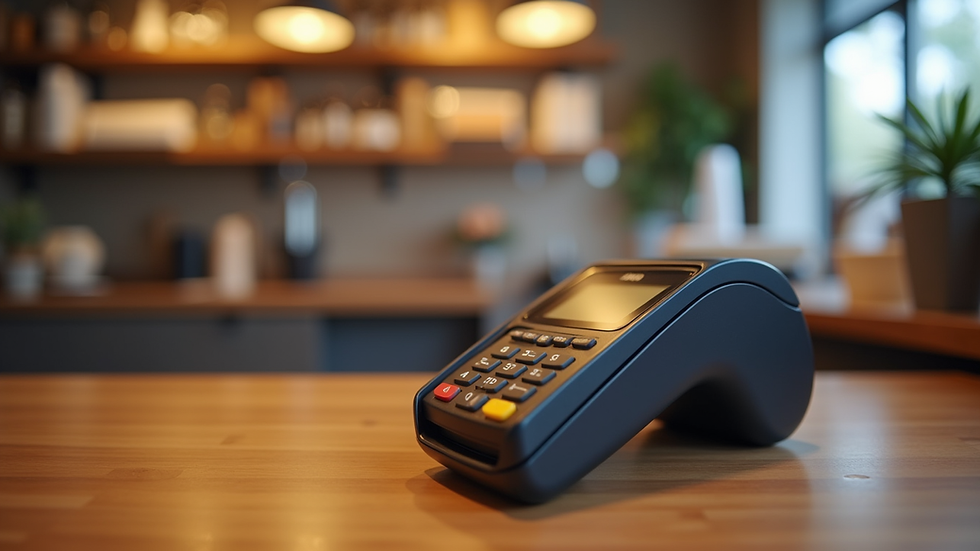
Exploring Different Types of Small Business Payment Terminals
Now, let’s dive into the types of payment terminals available. Each has its pros and cons, so understanding them will help you decide what fits your business best.
1. Countertop Terminals
These are the classic payment machines you see at most retail stores. They’re plugged into a power source and often connected to a phone line or internet.
Pros: Reliable, fast processing, supports multiple payment types.
Cons: Not portable, can be expensive upfront.
2. Mobile Payment Terminals
These are compact devices that connect to your smartphone or tablet via Bluetooth or Wi-Fi. Perfect for businesses on the go, like food trucks or market stalls.
Pros: Portable, affordable, easy to use.
Cons: Dependent on your mobile device’s battery and connectivity.
3. Integrated POS Systems
These combine payment terminals with point-of-sale software, managing sales, inventory, and customer data all in one.
Pros: Streamlines operations, detailed reporting.
Cons: Higher cost, may require training.
4. Virtual Terminals
If you take payments over the phone or online, virtual terminals let you enter card details manually through a secure web portal.
Pros: No hardware needed, flexible.
Cons: Slower than card-present transactions, higher fraud risk.
Choosing the right type depends on your business model. For example, a brick-and-mortar store might prefer a countertop terminal, while a mobile vendor would benefit from a mobile payment terminal.
What is the Cheapest Way to Accept Card Payments?
Let’s talk money because, honestly, cost is a big factor for small businesses. You want to keep expenses low without sacrificing quality or security.
The cheapest way to accept card payments often depends on your transaction volume and business type. Here are some tips to save money:
Look for flat-rate pricing: Some providers charge a fixed percentage per transaction, which is easier to predict.
Avoid long-term contracts: Flexibility can save you from paying for unused services.
Consider mobile payment terminals: They usually have lower upfront costs.
Watch out for hidden fees: Setup fees, monthly fees, and chargeback fees can add up.
Use your existing devices: If you can use a virtual terminal or mobile app on your phone, you might avoid hardware costs.
For example, if you’re a small café with moderate sales, a mobile payment terminal with flat-rate fees might be your best bet. But if you have high sales volume, negotiating a custom rate with a provider could save you more in the long run.

How to Choose the Best Payment Terminal for Your Business
Now that you know the types and costs, how do you pick the best one? Here’s a step-by-step guide:
Step 1: Assess Your Business Needs
How many transactions do you process daily?
Do you sell in-store, online, or both?
Do you need portability?
What payment methods do your customers prefer?
Step 2: Research Providers
Look for providers that offer terminals matching your needs. Check reviews, customer support, and contract terms.
Step 3: Compare Costs
Calculate the total cost of ownership, including:
Hardware price
Transaction fees
Monthly fees
Additional charges (e.g., chargebacks, PCI compliance)
Step 4: Test the Terminal
If possible, try a demo or trial period. Make sure the device is user-friendly and reliable.
Step 5: Consider Security Features
Ensure the terminal supports encryption and complies with PCI standards to protect your business and customers.
Step 6: Plan for Growth
Choose a terminal that can scale with your business. You don’t want to switch systems every year!
By following these steps, you’ll find a payment terminal that fits your budget and business model perfectly.
Tips for Maximizing Your Payment Terminal Investment
Once you have your payment terminal, how do you get the most out of it? Here are some practical tips:
Train your staff: Make sure everyone knows how to use the terminal efficiently.
Promote contactless payments: They’re faster and safer, especially post-pandemic.
Keep software updated: This ensures security and access to new features.
Monitor transactions: Regularly check for any unusual activity.
Integrate with your accounting: Streamline bookkeeping by syncing payment data.
Remember, a payment terminal is more than just a device—it’s a tool to enhance your customer experience and business operations.
Choosing the right payment terminal for small business can feel overwhelming, but with the right information, it becomes a straightforward decision. Focus on your business needs, budget, and customer preferences, and you’ll find a solution that keeps your sales flowing smoothly. Ready to upgrade your payment process? Your customers will thank you!


Comments